
🥗 How to Provide Healthy Food for Students
Providing healthy food to students is one of the best ways to support their growth, learning, and overall well-being. Good nutrition helps them stay active, concentrate better, and build strong bodies and minds. Here’s a friendly and practical guide to offering nutritious meals to students every day. 🌟
🍏 1. Include Fresh Fruits & Vegetables Daily
Students need vitamins and minerals to stay energetic.
- Add seasonal fruits like apples, bananas, guava, and oranges 🍊
- Serve salads, veggie sticks, or simple sabzis 🥕
- Keep it colorful — kids love variety! 🌈
🥙 2. Choose Whole Grains Over Refined Foods
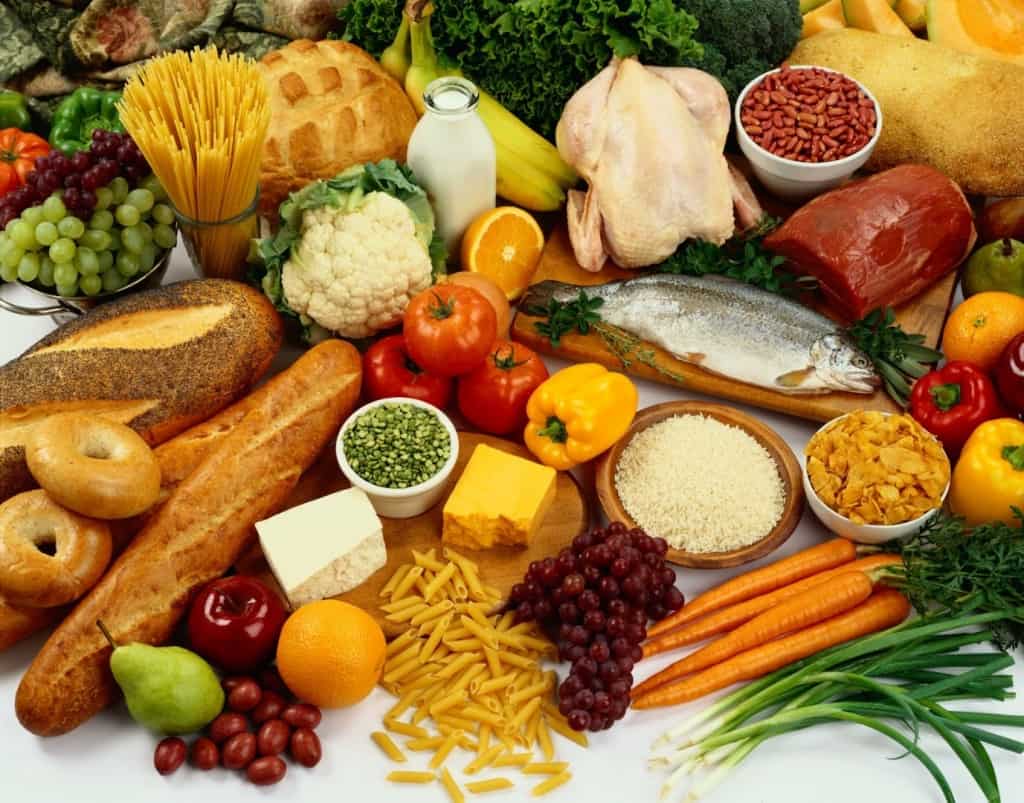
Whole grains keep students fuller for longer and provide steady energy.
- Brown rice, whole wheat rotis, multigrain bread, millet khichdi, oats, etc. 🌾
- Reduce maida-based items like white bread, pastries, noodles ❌
🥛 3. Add Protein-Rich Foods
Protein is important for muscle growth and brain development.
- Include eggs, paneer, dal, chana, rajma, tofu, sprouts 🫘
- Make protein-packed snacks like chana chaat, sprouts salad, or paneer rolls 💪
💧 4. Promote Healthy Hydration
Students often forget to drink water!
- Encourage them to carry water bottles
- Offer coconut water, lemon water, buttermilk 🍋
- Avoid sugary drinks, sodas, and packed juices ❌🥤
🥪 5. Pack Smart Tiffins
Teachers and parents can create balanced lunchboxes by including:
- 1 grain (roti, rice, poha, upma)
- 1 protein (dal, paneer, eggs)
- 1 fruit
- 1 quick healthy snack (nuts, seeds, makhana) 🥜
Balanced tiffins mean balanced minds! ✨
🍽️ 6. Avoid Junk Food
Junk food slows down energy and affects concentration.
- Reduce chips, burgers, fries, and sugary bakery items
- Replace with homemade snacks like dhokla, idli, veg sandwiches, popcorn, or roasted snacks 🍿
👩🍳 7. Encourage Healthy Cooking Methods
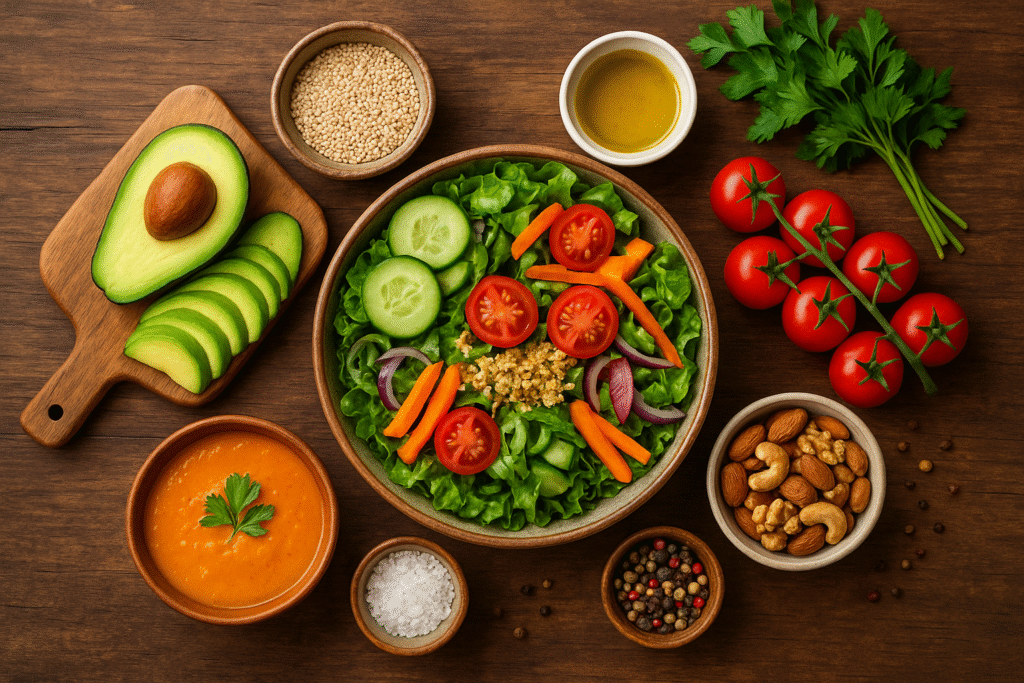
Small changes make a big difference!
- Use less oil
- Prefer steaming, grilling, roasting, or boiling
- Avoid deep-fried items as regular meals
❣️ 8. Educate Students About Good Food Choices
Healthy eating becomes easy when students understand why it matters.
- Conduct nutrition awareness sessions 🧠
- Share posters, fun facts, and short talks on food benefits
- Motivate them to try new healthy recipes
✨ Conclusion
Providing healthy food to students is not just about serving meals — it is about building healthy habits for a lifetime. When students eat nutritious food, they feel better, think better, and learn better. Let’s nourish growing minds with care, balance, and love. 🥰🌱
